Global Scans · Climate Change & Extreme weather · Weekly Summary
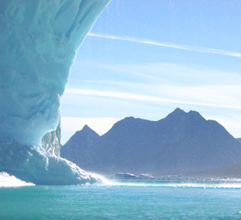
- [New] Warming above 1.5 C will cause widespread crop failures and food insecurity, more extreme weather events, and the loss of between 70 and 90% of the world's coral reefs. Australian Broadcasting Corporation
- [New] Significant challenges persist, including reductions in global health financing and emerging threats such as climate change. PubMed Central (PMC)
- [New] Considered by the World Health Organization as the biggest threat to health in the twenty-first century, the effects of climate change are particularly critical for children and youth. Australian Journal of General Practice
- [New] Extreme weather costs incurred by insurers have averaged $4.5 billion per year over the last five years, up 67% from the previous five-year period and risks which are exposed to large weather events remain difficult to insure. GowGates.com.au
- [New] Investors should remain cognizant of the inherent volatility of global energy markets and the evolving regulatory landscape surrounding climate change, which will continue to influence Shell's operational and financial decisions. FinancialContent
- [New] 90% of disasters in the last decade were water-related, and with increasing disruption of the hydrological cycle by both climate change and human activity, floods, storms and droughts are increasingly affecting water management, economic development and natural ecosystems. Devpolicy Blog from the Development Policy Centre
- [New] Analysts anticipate inflation in the food-at-home sector (i.e. groceries) to increase by 2050 because of growing population and an agricultural industry struggling due to climate change. The Takeout
- [New] In 2025, climate change remains the top risk overall for both experts and the general population. AXA.com
- [New] Climate-vulnerable countries like Jamaica and India will be celebrating a new pledge to triple the amount of cash to help them cope with the impacts of climate change. SKY
- [New] Wealthier countries agreed to work toward tripling the money available to help climate-vulnerable countries adapt to the ravages of global warming - a potential goal of $120 billion a year by 2035, to come out of the $300 billion pot of funding they agreed to at last year's COP. CNN
- [New] Bangladesh is heading toward a drastically hotter and wetter future as climate change accelerates, with scientists warning that daytime temperatures could rise by up to 4.5 °C by the end of the century and winter may all but disappear in many regions. Dhaka Tribune
- [New] Over 75% of institutional investors expect physical climate risk to have a major impact on asset prices in the next five years, and more than half now treat climate resilience as a core feature of their risk-return assessments. InvestmentNews
- [New] Sea level rise caused by climate change could cause thousands of toxic sites in the U.S. to flood in the coming decades. Yahoo News
- [New] Research indicates bushfire weather hazards are increasing rapidly, with climate change contributing to hotter, drier, and more fire-prone environments. Insurance Business
- [New] Some 3.6 billion people - almost half the world's population - are already severely threatened by the consequences of climate change: droughts, floods, extreme heat and growing food insecurity. Deutsche Welle
- According to the World Economic Forum's 2024 Global Risks Report, misinformation and disinformation now rank as the most severe global risk over the next two years, surpassing even climate change and economic concerns. Futurist Speaker on AI Leadership, Future of Work, Futu
- NASA and its European partners have successfully launched Sentinel-6B, the second in a pair of U.S.-European ocean-monitoring satellites that will provide high-precision measurements of sea-level rise, ocean currents, and atmospheric conditions. Tech Startups - Tech News, Tech Trends & Startup Fundin
- Scientists warn climate change making Southeast Asia's rainy season increasingly hazardous. Al Jazeera
- One in twelve of the world's 200,000 hospitals face the risk of total shutdown due to extreme weather events under high-emissions scenarios, with more than 70% of at-risk facilities located in low- and middle-income countries. Health Policy Watch
- Nations worldwide must finance and implement climate adaptation measures for health systems or risk losing millions of lives as extreme weather, rising temperatures, and intensifying heat threaten healthcare access for nearly half the global population. Health Policy Watch
- Climate change is amplifying drought and flood risks across Kenya. Cool Green Science
Last updated: 29 November 2025

Please stand by...
The magic is happening, but it might take a couple of minutes.